

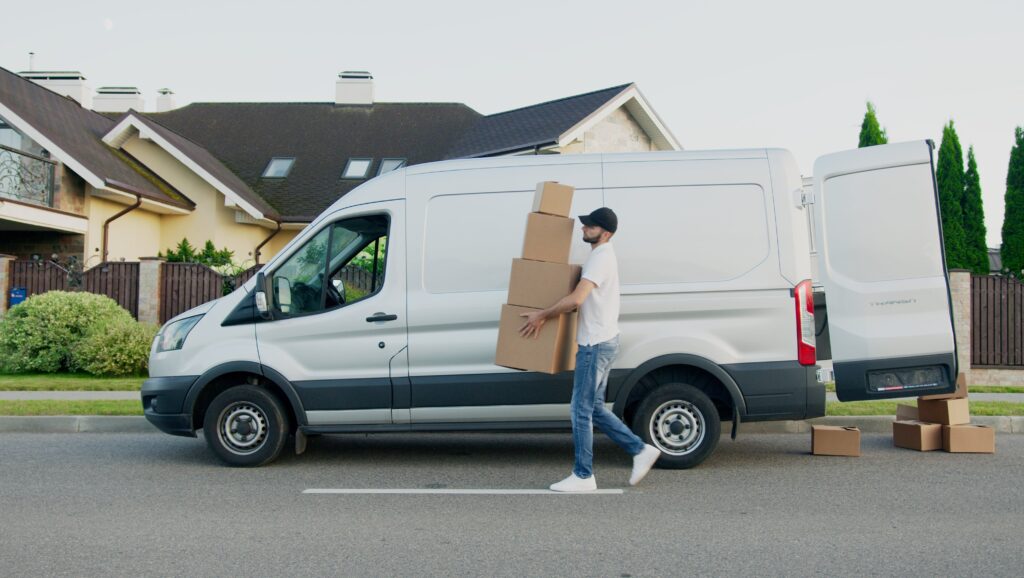
The last mile in logistics is a critical component that connects products to customers at the end point of their journey. It is the last step in the supply chain and triggers a unique set of challenges that companies and logistics providers must overcome to provide an efficient and satisfactory delivery service.
One key aspect is the diversity of deliveries found in the last mile. From small, lightweight packages to large appliances, delivery strategies need to be tailored to accommodate a wide range of needs. This involves managing fleets of different sized vehicles and training drivers to handle different types of freight.
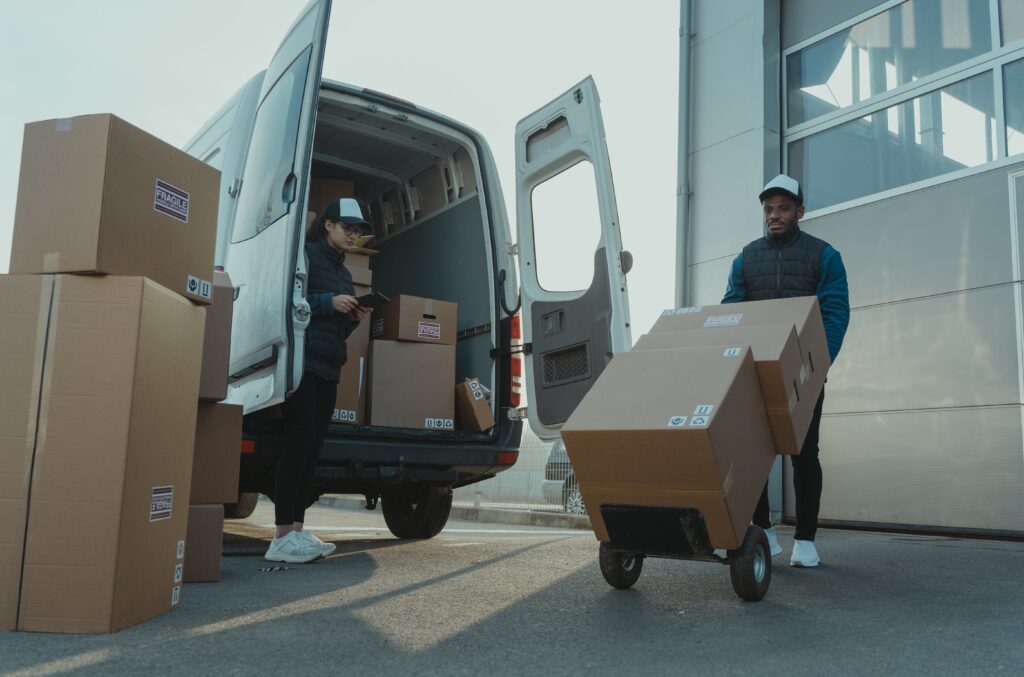
In addition, the last mile often represents a significant portion of logistics costs due to the need for specific delivery vehicles, drivers and routes. Efficiency is essential to control these costs, and companies are turning to route optimization and strategic planning to minimize expenses.
Urban areas present additional challenges in the last mile due to traffic congestion, lack of parking, and delivery restrictions. To address these issues, some companies are implementing strategies such as delivery by bicycle or on foot in densely populated urban areas.

Technology plays a vital role in managing the last mile. Real-time tracking allows customers to track their deliveries and receive accurate arrival time notifications. Mobile apps are also facilitating communication between drivers and customers, which improves delivery efficiency.
In this context, Fletes USA stands out as a valuable partner in last mile management. Its expertise in logistics and international transportation translates into efficient and reliable solutions for product delivery. In addition, its ability to manage complex aspects such as customs and cold chain logistics is essential to ensure that products reach their final destination in the best condition.

In short, the last mile in logistics is a critical customer touch point that presents unique challenges. The ability to overcome these challenges efficiently is essential to meet customer expectations and remain competitive in an increasingly online-oriented marketplace. Logistics expertise and innovation, such as that provided by Freight USA, are valuable resources in this area.