
Guides
Rising Oil Prices: 5 Strategies to Optimize Transportation Costs
Rising fuel prices can increase freight rates and put pressure on business budgets. Discover five strategies to optimize transportation costs, improve logistics planning, and manage heavy equipment shipments more efficiently.

Rising Oil Prices: 5 Strategies to Optimize Transportation Costs
Rising oil prices continue to challenge the transportation industry, affecting freight rates, operating expenses, and logistics planning. As fuel costs increase, businesses that depend on road freight may face higher expenses throughout the shipping process, from pickup and delivery to loading, unloading, and storage. For construction companies, equipment dealers, distributors, rental companies, and manufacturers, transportation costs play an important role in overall profitability. Maintaining an efficient logistics operation requires more than finding a competitive rate. It also involves planning routes, selecting the right equipment, coordinating deliveries, and anticipating additional expenses.
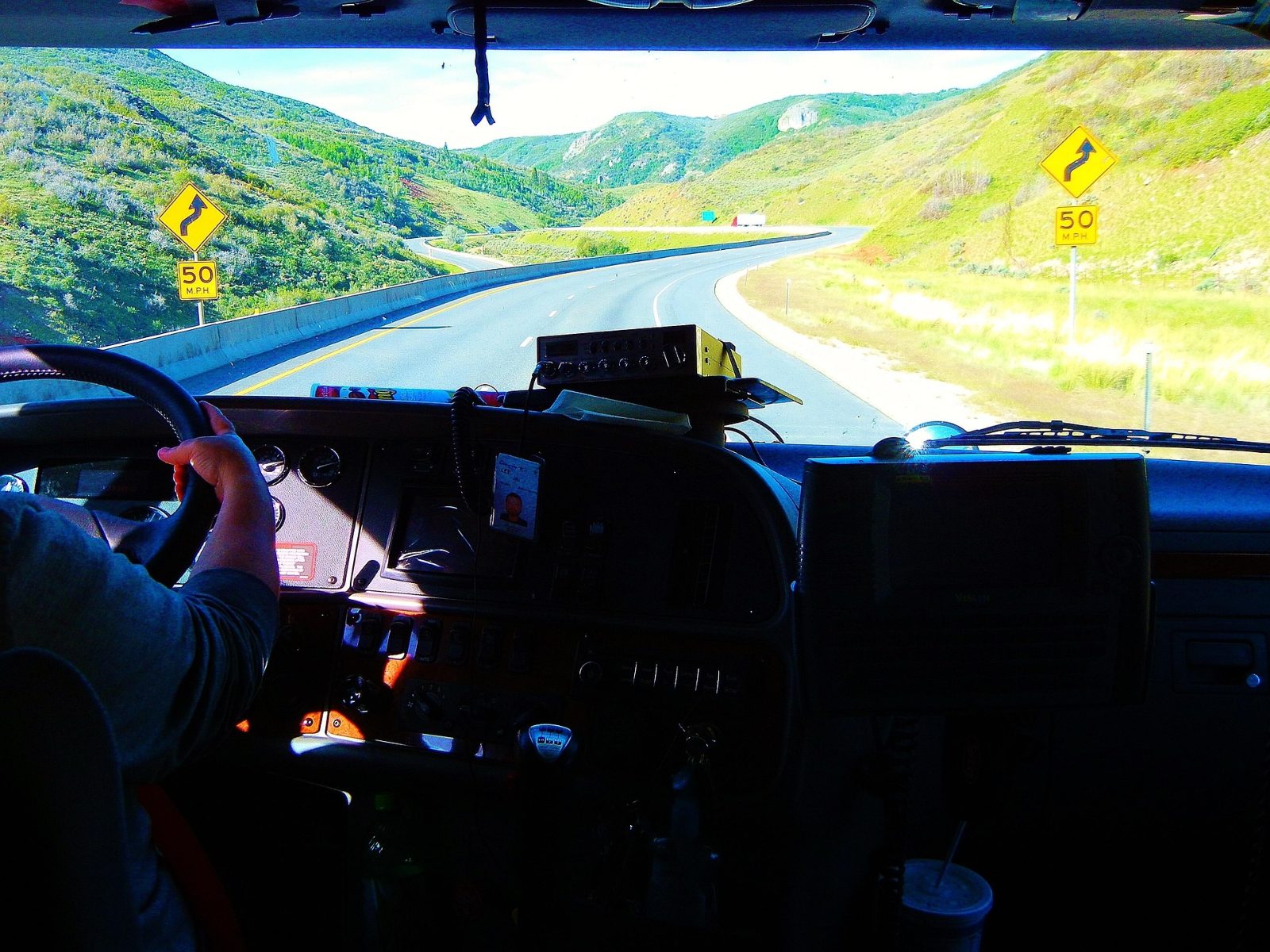
What Factors Affect Transportation Costs?
Several factors influence freight rates. Understanding them helps businesses make informed decisions and reduce unexpected expenses.
1. Distance and Route Planning
The distance between pickup and delivery locations directly affects transportation costs. However, the shortest route is not always the most practical. Road restrictions, permits, route conditions, and cargo dimensions can influence the final price. For heavy equipment and oversized loads, advance route planning is essential to identify suitable routes and meet transportation requirements.
2. Fuel Prices and Operating Expenses
Diesel price fluctuations can affect freight rates, along with maintenance, tires, repairs, and equipment availability. For this reason, comparing quotes based only on the initial price may not provide a complete picture. Businesses should evaluate the full service and any additional charges that may apply.
3. Cargo Type and Transportation Equipment
Different loads require different transportation solutions. Industrial machinery, excavators, commercial vehicles, and oversized equipment may need specialized trailers, permits, or escort vehicles. Selecting the appropriate equipment from the beginning helps prevent last-minute changes, delays, and unnecessary expenses.
4. Loading, Unloading, and Delivery Times
Long waiting times at pickup locations, warehouses, or delivery sites can disrupt schedules and result in additional charges, depending on the service agreement. Clear communication between shippers, transportation providers, and receivers helps coordinate appointments, reduce downtime, and maintain efficient operations.
How Rising Transportation Costs Affect Business Profitability
When freight expenses increase, businesses may experience lower profit margins, especially when operating with tight budgets or previously agreed customer prices. For example, construction companies need to move machinery between job sites, dealerships coordinate vehicle deliveries, and distributors transport equipment between suppliers, warehouses, and customers. Poor logistics coordination can lead to delays, reduced equipment availability, and unexpected costs. Transportation should therefore be treated as a strategic part of business operations rather than simply an expense associated with each shipment.
5 Strategies to Optimize Transportation Costs
Businesses can take practical steps to manage logistics expenses without compromising safety or service quality.
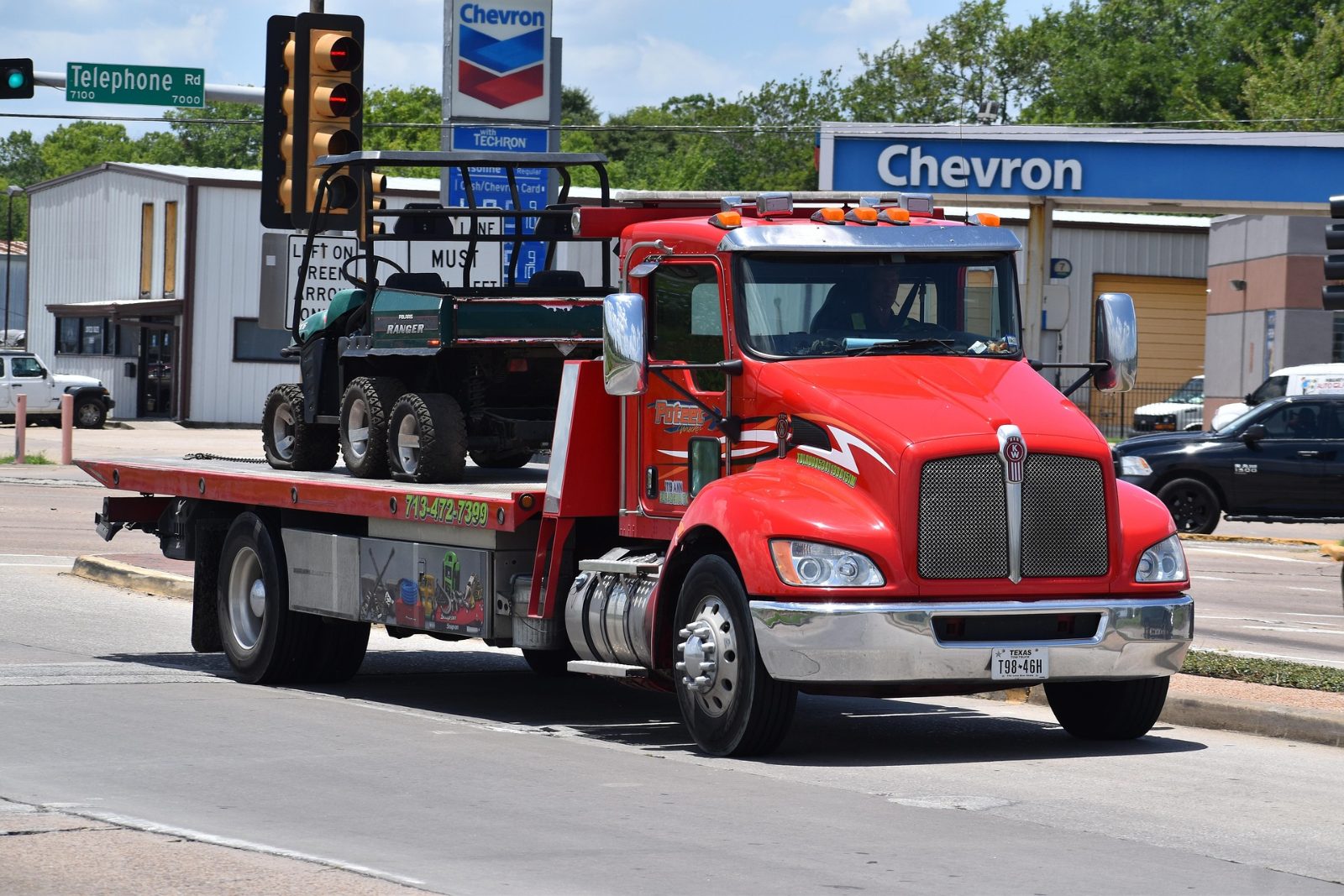
1. Plan Shipments in Advance
Providing cargo dimensions, weight, pickup and delivery locations, and required dates early allows transportation providers to identify suitable options. For heavy equipment, this information also helps determine whether specialized trailers or permits are necessary.
2. Choose the Right Transportation Equipment
Selecting the correct truck and trailer helps match the service to the cargo. Depending on the shipment, options may include flatbeds, lowboys, step decks, or other specialized equipment. The best choice depends on the cargo's dimensions, weight, loading requirements, and route conditions.
3. Coordinate Pickups and Deliveries
Effective communication with pickup and delivery locations helps reduce waiting times and improve scheduling. Businesses that move equipment regularly can benefit from consistent logistics coordination and better planning for future shipments.
4. Evaluate the Total Transportation Cost
A competitive quote is important, but businesses should also consider applicable permits, escort vehicles, insurance coverage, access requirements, and other service-related charges. Understanding the full cost of a shipment makes it easier to compare options and avoid unexpected expenses.
5. Work With a Reliable Logistics Partner
A trusted logistics partner can help coordinate transportation providers, identify suitable shipping solutions, and monitor scheduled moves. For companies that regularly transport machinery, vehicles, or industrial equipment, a long-term working relationship can provide greater consistency and visibility across their transportation operations.

Why a Logistics Partner Matters for Heavy Equipment Transportation
Moving heavy equipment requires careful planning, including evaluating cargo dimensions and weight, selecting the appropriate trailer, identifying route restrictions, obtaining necessary permits, and coordinating delivery schedules. For businesses managing multiple projects, selling equipment, or moving units between locations, coordinating every shipment independently can increase administrative work and make operations more difficult to manage. At Fletes USA, we help businesses coordinate transportation solutions for heavy equipment, industrial machinery, vehicles, and oversized loads throughout the United States. As a transportation and logistics intermediary, we connect each shipment with suitable transportation providers based on its specific requirements. Our focus is on building long-term relationships with businesses that need reliable logistics support, whether for individual shipments or recurring transportation needs. Through effective coordination, appropriate equipment selection, and careful shipment planning, businesses can manage transportation requirements more efficiently while focusing on their core operations.
Quote