Guides
Transportation & Logistics News | October 26– November 3, 2026.
Stay informed about this week's developments in heavy equipment, freight transportation, infrastructure and logistics. Discover the latest industry updates affecting construction, supply chains and commercial transportation across the United States.
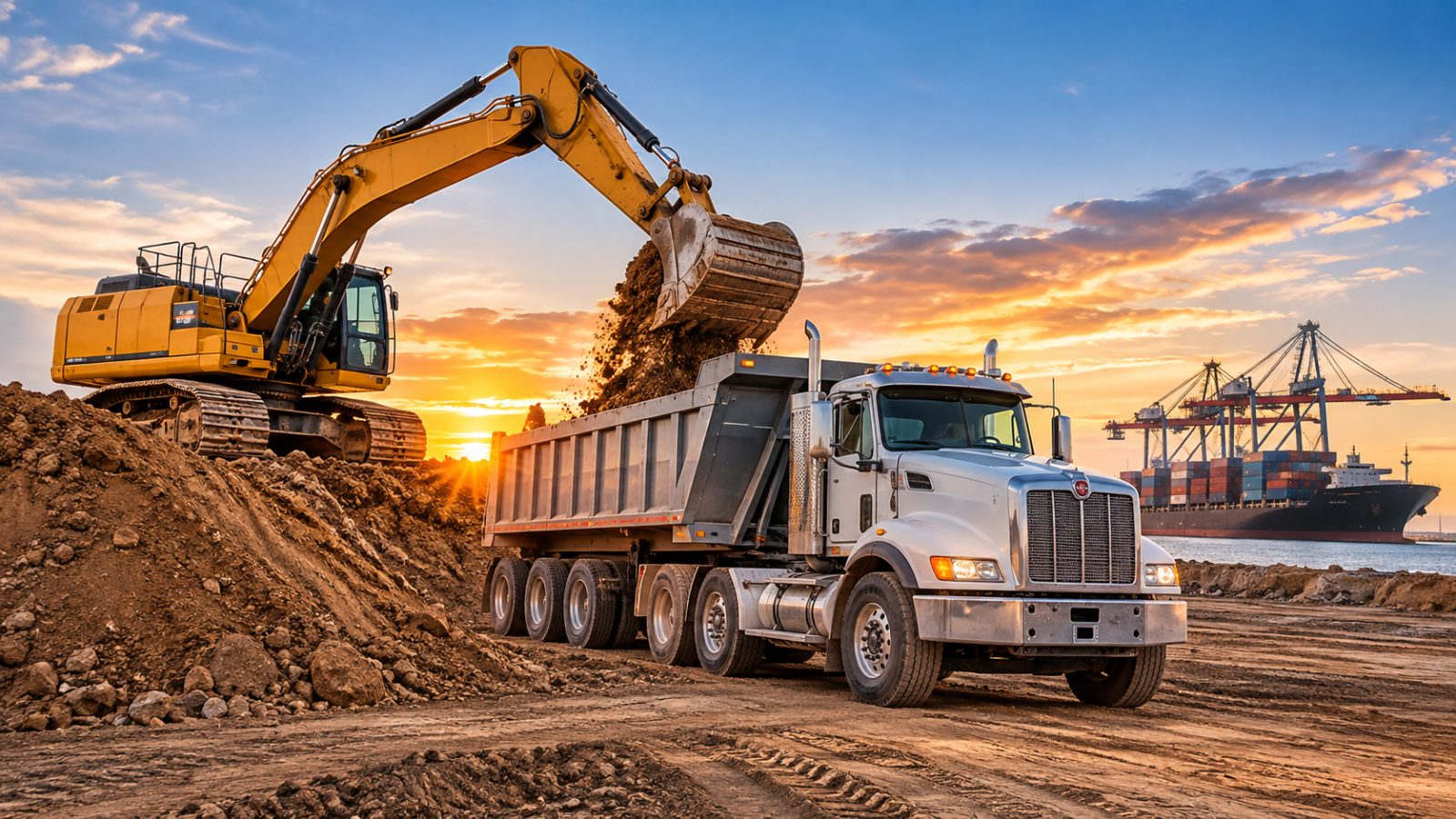
The heavy equipment and transportation industries continue to experience important changes as manufacturers introduce new machinery, infrastructure projects receive additional funding, and logistics networks face increasing operational demands. From new equipment partnerships to port congestion and improvements in transportation infrastructure, this week's developments highlight the importance of innovation, efficient planning and reliable freight transportation. Here are five industry updates worth following.
1. Rail congestion slows container movement at major California ports
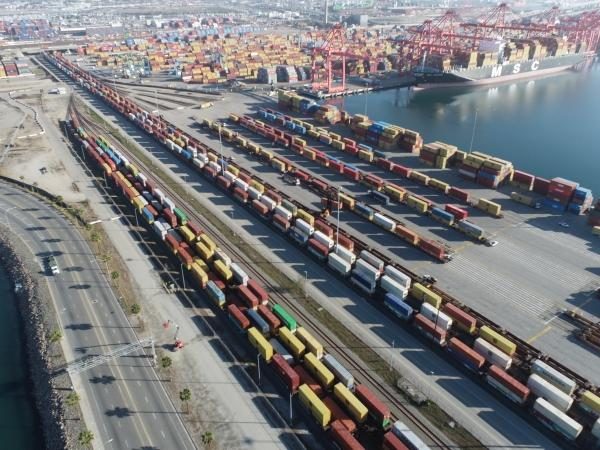
The ports of Los Angeles and Long Beach are facing growing pressure on their inland transportation operations. On October 26, approximately 35,688 imported containers were waiting to be transferred onto trains, with more than 10,500 remaining at port terminals for at least nine days. The situation is connected to increased cargo activity and limited railcar availability, making it more difficult to move imported goods efficiently toward inland destinations. Both ports experienced record cargo volumes in September, adding further demand to an already busy transportation network. Although the figures represent containers waiting for rail service at a specific point in time rather than the average delay for every shipment, they illustrate the challenges involved in coordinating different transportation systems. Why does this matter? Delays at major ports can affect several stages of the supply chain. Businesses that depend on imported machinery, industrial components and other products may experience changes in their delivery schedules when inland transportation becomes congested. This situation reinforces the importance of coordinating transportation alternatives, monitoring shipments and planning deliveries with enough flexibility to respond to unexpected delays.
2. Hitachi partners with Bell Equipment to introduce new articulated dump trucks in North America
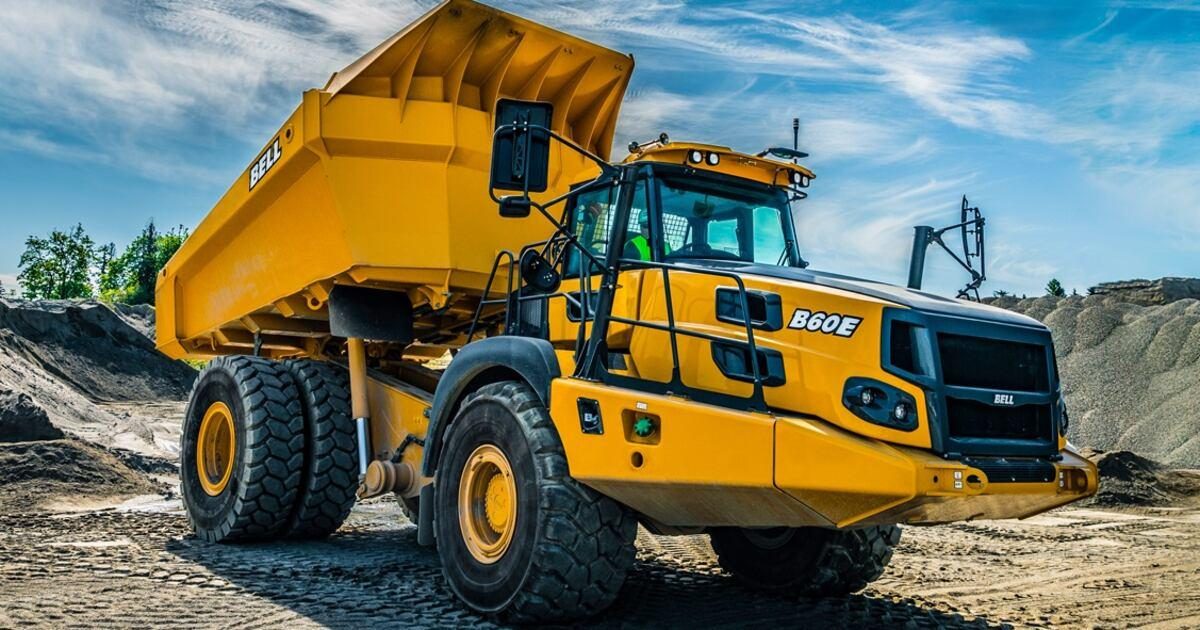
Hitachi Construction Machinery Americas announced a new collaboration with Bell Equipment to bring three articulated dump truck models to the North American market: the ZD30, ZD45 and ZD50. These machines will offer payload capacities ranging from 30 to 50 tons, with their market introduction planned for early summer 2027. Their distribution will be supported by Hitachi's dealer network throughout the United States and Canada. The agreement strengthens Hitachi's equipment portfolio, particularly for businesses involved in large-scale earthmoving, quarry operations and infrastructure development. It also gives contractors the opportunity to obtain excavators, wheel loaders and articulated dump trucks through a more integrated dealer network. Another important development is the company's planned transition to the LANDCROS brand, scheduled for April 2027. Why does this matter? The introduction of additional equipment models creates new alternatives for construction companies and industrial businesses with specialized machinery requirements. It also highlights the importance of specialized transportation services capable of handling large and heavy equipment. Moving articulated dump trucks between dealerships, equipment yards and construction sites requires proper planning, suitable trailers and coordination to meet transportation requirements.
3. U.S. announces more than $1 billion in funding for transportation safety improvements
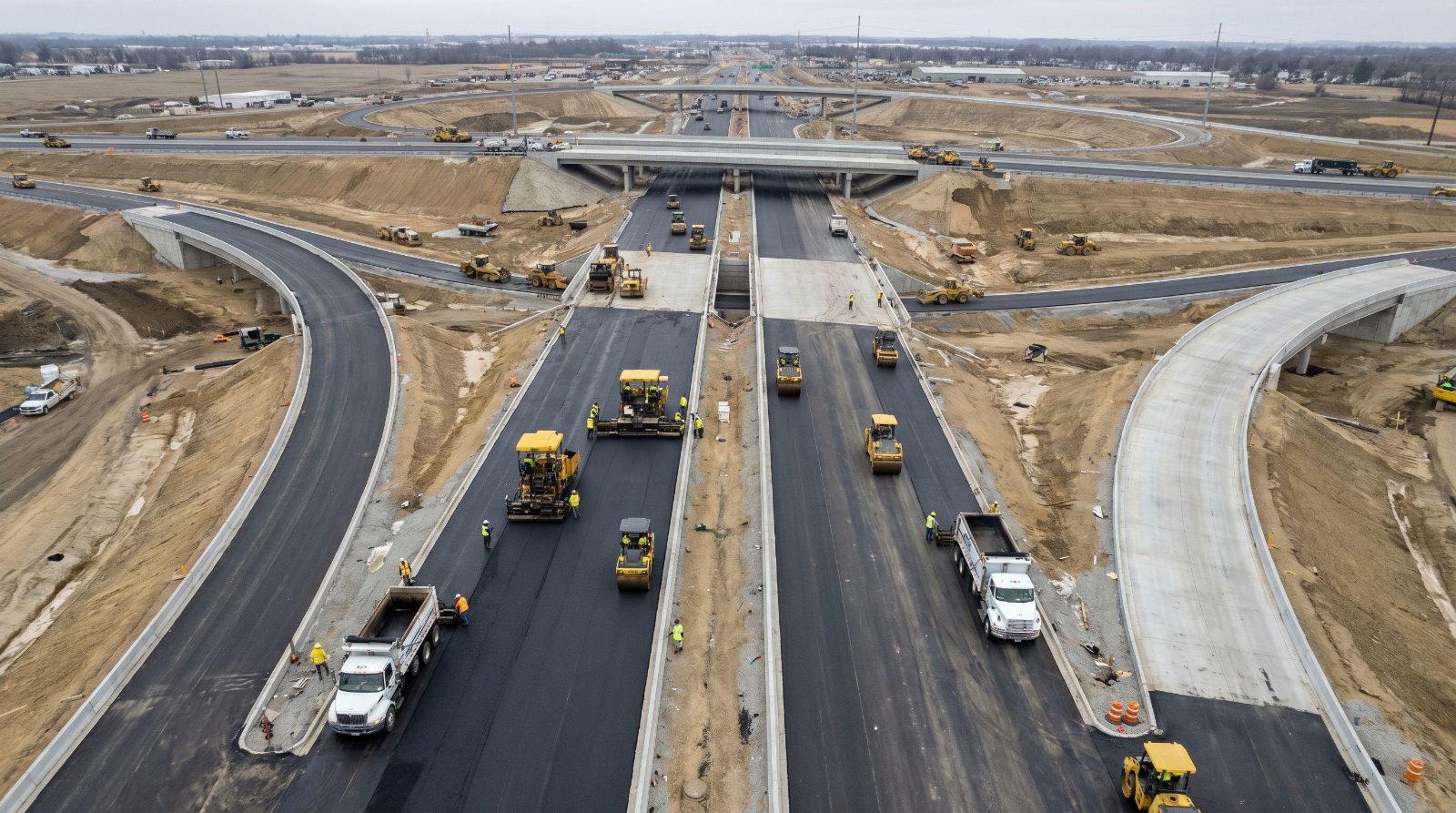
The U.S. Department of Transportation announced approximately $1.013 billion in federal funding for 297 projects focused on improving road safety throughout the country, including all 50 states, Puerto Rico and Tribal lands. The selected projects will address several transportation challenges, including dangerous intersections, railroad crossings, emergency response capabilities and the availability of parking areas for commercial trucks. Part of the funding is intended to support communities dealing with limited truck parking capacity, while other projects will focus on improving road conditions and reducing risks for drivers and pedestrians. US Department of Transportation+1 Why does this matter? Road infrastructure directly affects the safety and efficiency of commercial transportation. Better-maintained roads, safer intersections and improved parking facilities can make daily operations more manageable for truck drivers and transportation companies. These investments also demonstrate the importance of continued infrastructure development in supporting the movement of goods across the United States.
4. Komatsu extends digital guidance technology to additional construction equipment
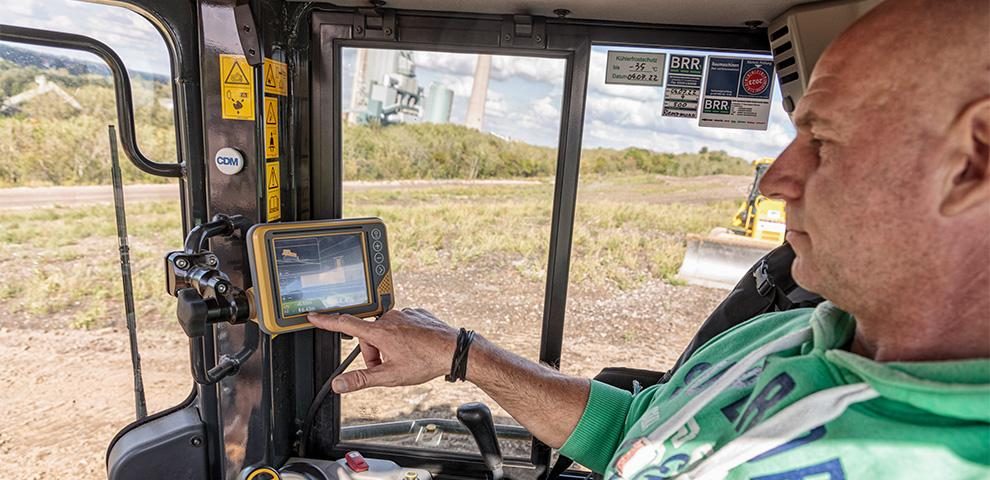
Komatsu Europe announced an expansion of its Smart Construction technology with the introduction of 3D Machine Guidance Flex, a system designed to bring digital guidance capabilities to a wider range of construction machinery. The solution, previously associated mainly with excavators, is now being extended to bulldozers, wheel loaders, dump trucks and other equipment. It provides operators with digital guidance inside the cabin while collecting location-based information about the work completed at a construction site. This information allows project teams to compare actual site conditions with digital construction plans, monitor progress and obtain a clearer picture of ongoing operations. Komatsu also reported that its original 3D Machine Guidance systems have surpassed 9,000 units sold. Why does this matter? Digital tools are becoming an increasingly important part of heavy equipment operations. Technologies that improve accuracy and provide better visibility into jobsite activities can help businesses manage projects and equipment more effectively. The expansion also reflects a broader industry trend toward connected machinery, where equipment is increasingly integrated with digital systems to support productivity and operational planning. Editorial note: This announcement was made by Komatsu Europe and should not be interpreted as confirmation of a North American product launch.
5. Los Angeles and Long Beach port labor negotiations receive additional time
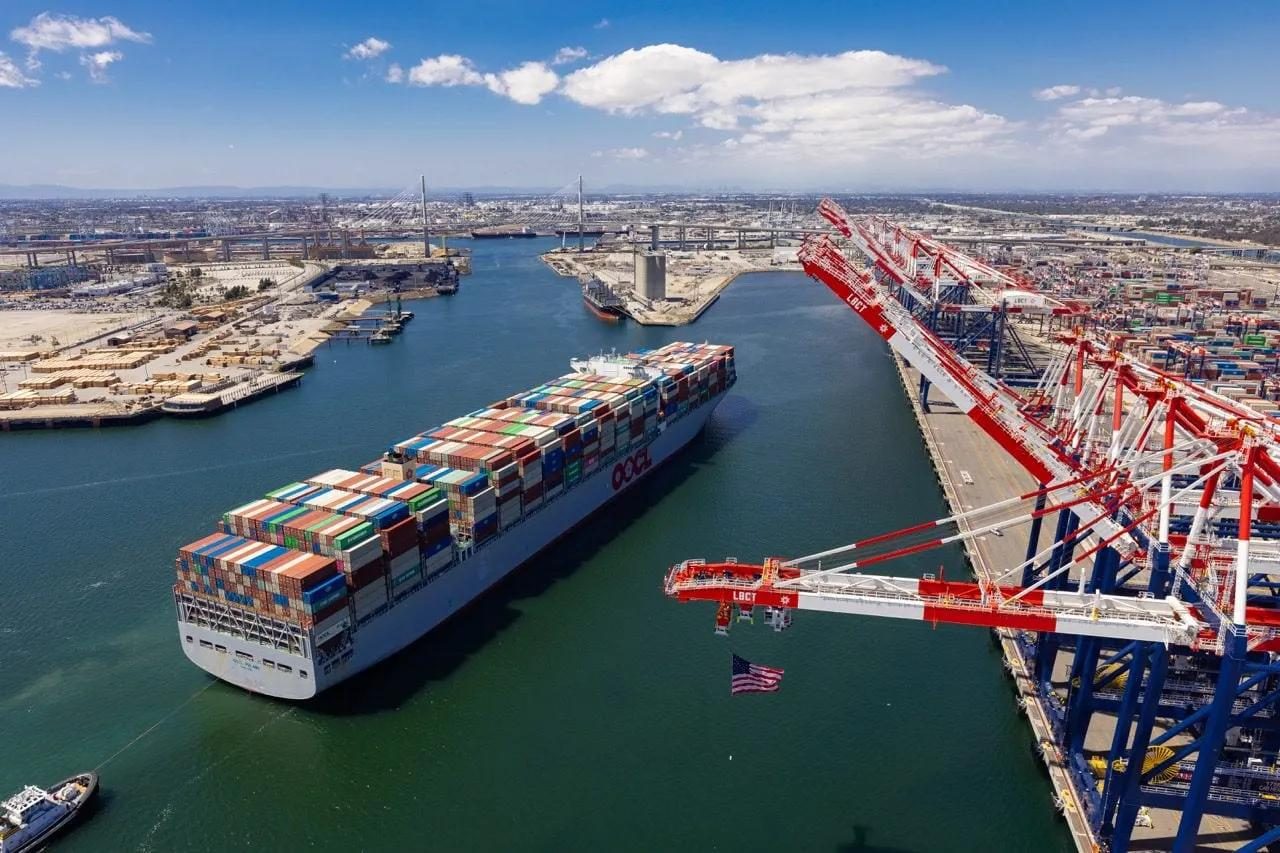
A potential work stoppage at the ports of Los Angeles and Long Beach was temporarily avoided after the Pacific Maritime Association (PMA) and the International Longshore and Warehouse Union (ILWU) Local 26 agreed to extend their labor negotiations until November 5. The discussions involve approximately 250 maritime watchmen responsible for security and access monitoring at port facilities. Their contract negotiations had raised concerns about a possible interruption beginning November 1, which could have affected operations at several container terminals. Although the agreement to continue negotiations prevented an immediate strike, the situation remains important for the logistics industry because the affected facilities handle a significant portion of the cargo moving through these major California ports. Why does this matter? Labor disputes at major shipping hubs can create uncertainty for companies that depend on consistent cargo movement. Even the possibility of an interruption can influence delivery schedules and transportation planning. For businesses involved in international trade, following port developments is an important part of preparing for potential supply chain disruptions and coordinating freight movements more effectively.
This week's developments show how closely connected heavy equipment, infrastructure and freight transportation are. New machinery partnerships, advances in construction technology, infrastructure investments and port operations all influence how businesses plan and manage their logistics needs. At Fletes USA, we understand that every shipment requires the right coordination and transportation solution. Staying informed about industry developments helps businesses prepare for changing demands and keep their operations moving.