Guides
What to have ready before asking for a heavy haul quote
Four pieces of information turn a rough estimate into a firm price. Most of them are on a plate bolted to the machine.
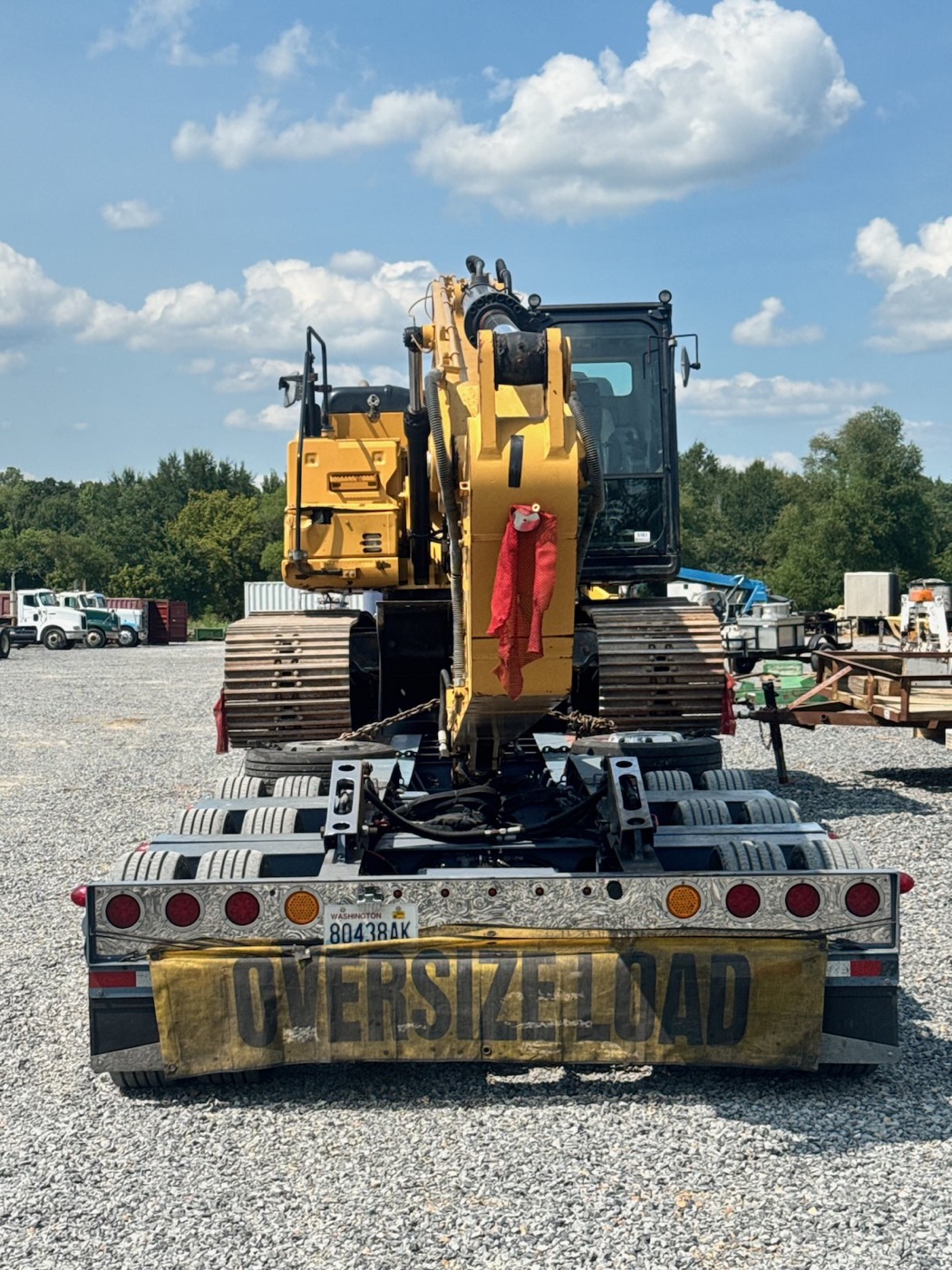
Every quote for heavy equipment is really an answer to one question: what does this machine need in order to travel legally from A to B? A broker who gives you a price without knowing the dimensions is guessing, and a guess becomes a revised invoice later.
The four things that set the price
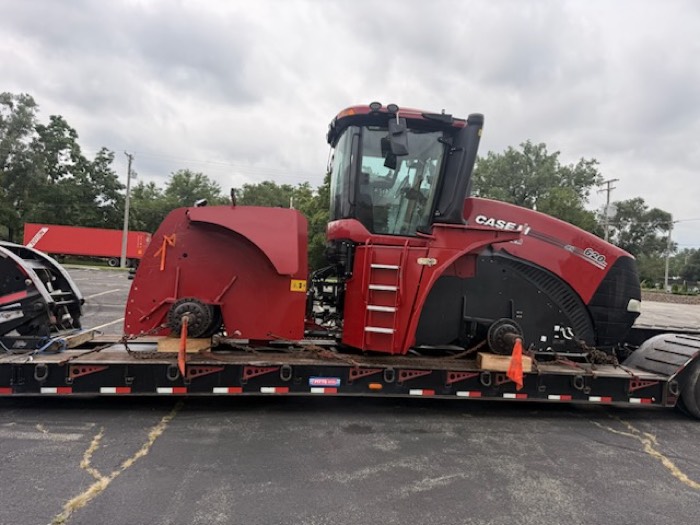
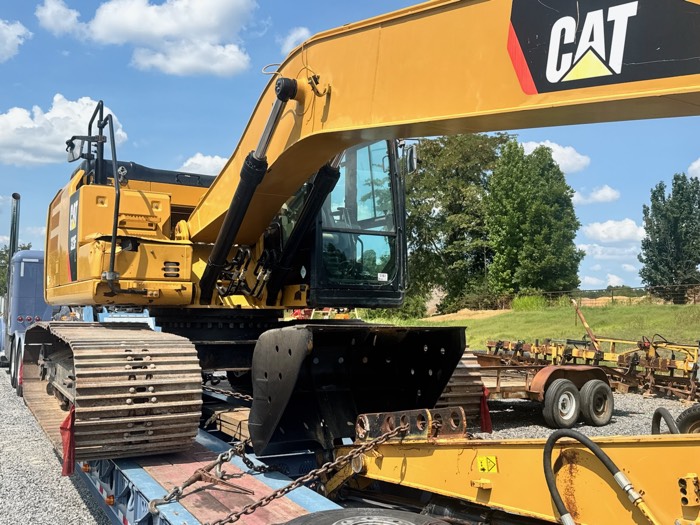
- Length, width and height of the machine as it will sit on the trailer, not as it sits in the yard. A boom folded down and a boom raised are two different loads.
- Operating weight. This decides the trailer configuration and how many axles the move needs.
- Where it is picked up and where it is delivered, with enough detail to know whether a truck can physically get in.
- When it needs to move. Permits have validity windows, and some states restrict travel to certain hours.
Where to find the numbers
Most machines carry a data plate with the model and serial number. With the model alone we can look up the manufacturer's transport dimensions, which is why a photograph of that plate is often all we need from you.
If the machine came from an auction, the listing usually carries the specification. Send us the listing link and we will read it.
Access matters as much as the machine
A lowboy is long and it is low. It needs room to turn and it needs ground that will not bottom it out. A yard with a tight gate, a soft shoulder or a steep approach changes which trailer can be used, and sometimes changes the price more than the distance does.
Tell us what the pickup looks like. A photograph of the entrance is worth more than a paragraph describing it.
What happens after you send it
We confirm the dimensions, decide the trailer configuration, check whether the load exceeds legal limits on the route, and come back with a price that already includes the permits and escorts the move actually requires.