Regulation
When a load stops being ordinary freight
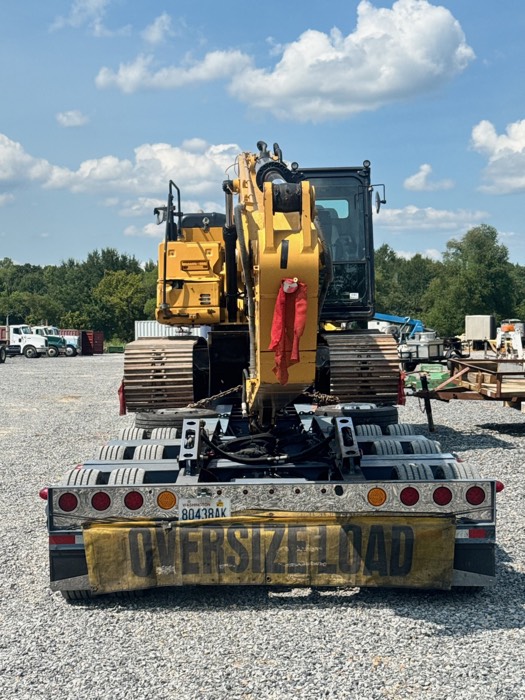
Three numbers separate a normal shipment from one that needs permits, routing and, sometimes, a pilot car in front of it.
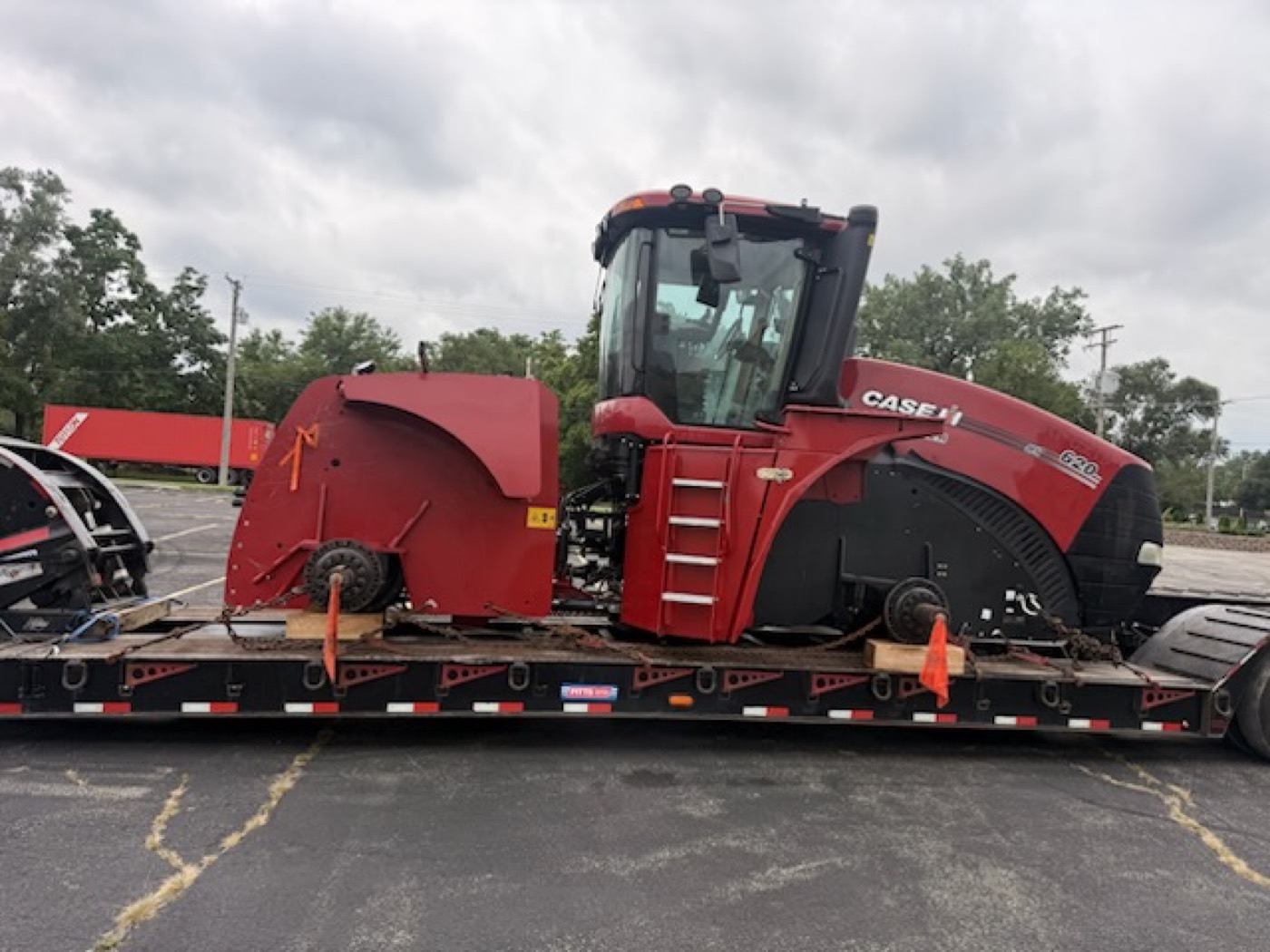
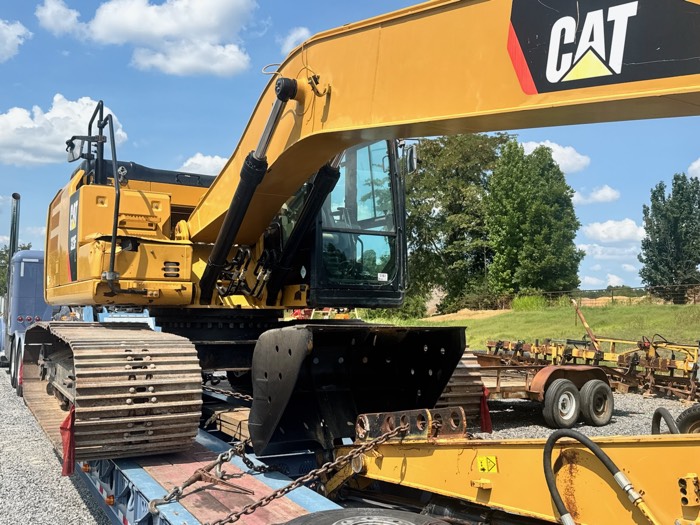
Freight is ordinary until it crosses a line drawn by law. Past that line the shipment stops being a matter of finding a truck and becomes a matter of finding a route.
The three limits
- Width: 8 ft 6 in is the standard maximum on the national network.
- Height: 13 ft 6 in is the common ceiling, although several western states allow 14 ft.
- Weight: 80,000 lb gross is the federal limit on the Interstate system, distributed across the axles according to the bridge formula.
What changes past the line
Once a load is over-dimensional it needs a permit from every state it will travel through. Each permit names the route it is valid on. Change the route and the permit no longer covers you.
Beyond certain widths and heights, states also require escort or pilot vehicles, and some restrict movement to daylight hours or prohibit it on weekends and holidays.
Why the survey comes first
An over-dimensional route has to be checked against every overpass, every bridge weight rating and every low clearance along the way. A load that is six inches too tall for one bridge is not a delay, it is a stopped truck and a rerouting done under pressure.
What this means for your quote
A price that does not include permits and escorts is not a price for an oversized move. When we quote one, the permits for every state on the route and the escorts the dimensions require are already in the number.